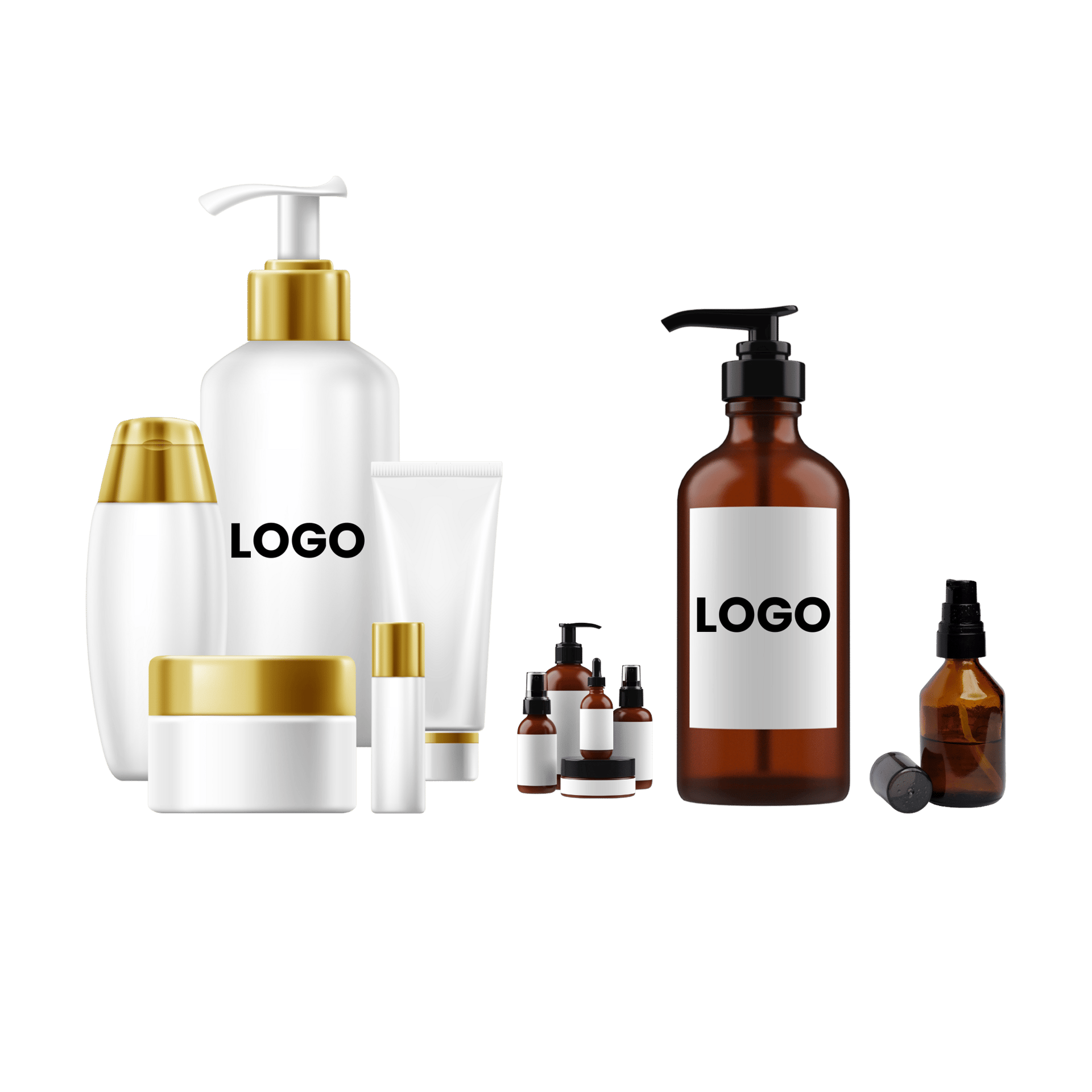
Customized Hair Care Products Manufacturing Explained
Learn how customized hair care products are manufactured, including shampoos, conditioners, and scalp care formulations.
HAIR CARE PRODUCTS
Mustafa
1/8/20263 min read
Customized hair care products play an important role in today’s cosmetic manufacturing landscape, especially for brands looking to develop shampoos, conditioners, and scalp care formulations that align with specific hair types, usage needs, and market positioning. Understanding how hair care products are manufactured helps brands make informed decisions about formulation, ingredient selection, and regulatory compliance.
This article explains how Customized hair care products manufacturing works, with a focus on shampoos, conditioners, and scalp care solutions, while outlining how custom hair products are developed responsibly through professional cosmetic manufacturing processes.
Understanding Hair Care Product Manufacturing
Hair care manufacturing involves the formulation, testing, and production of products designed to cleanse, condition, and maintain scalp health. Each category requires a different formulation approach, depending on its purpose and usage pattern.
Manufacturers like Polzero Cosmetic work within defined cosmetic standards to ensure that products meet safety, quality, and performance expectations without making exaggerated or unsupported claims. The emphasis remains on formulation of integrity, consistency, and compliance rather than unrealistic outcomes.
What Customized Hair Care Products Mean in Manufacturing
Customized hair care products refer to formulations developed according to specific brand requirements rather than off-the-shelf products. This customization may include ingredient preferences, texture adjustments, fragrance selection, or packaging compatibility.
Customization does not imply instant results or guaranteed performance. Instead, it allows brands to align formulations with their intended audience, hair concerns, and market regulations.
To understand how such products are structured, Polzero offers insight into its approach to customized hair care products through clearly defined formulation and production processes.
Shampoo Manufacturing Process Explained
Role of Shampoos in Hair Care
Shampoos are formulated primarily to cleanse the scalp and hair by removing dirt, oil, and product buildup. The formulation must balance cleansing strength with scalp comfort.
Core Shampoo Ingredients
Shampoo formulations typically include:
Surfactants for cleansing
Conditioning agents for manageability
Preservatives for product stability
Fragrance components
pH adjusters
Each ingredient is selected based on formulation goals and regulatory standards.
Manufacturing Considerations
During shampoo manufacturing:
Ingredients are blended in controlled environments
Temperature and mixing speed are monitored
Batch consistency is tested
Stability checks are performed
These steps ensure uniformity across production runs without compromising product safety.
Conditioner Manufacturing and Its Functional Purpose
How Conditioners Differ from Shampoos
Conditioners are designed to reduce friction, improve softness, and enhance hair manageability. Unlike shampoos, they focus more on coating the hair shaft rather than cleansing.
Conditioner Formulation Components
Common elements include:
Emollients for softness
Conditioning polymers
Fatty alcohols for texture
Preservatives
Each component contributes to the product’s sensory feel and performance.
Production Process Overview
Conditioner manufacturing requires precise emulsification. Incorrect blending can impact texture and stability, making process control essential throughout production.
Scalp Care Product Manufacturing
Why Scalp Care Requires Specialized Formulation
Scalp care products address issues related to scalp comfort and hygiene. These formulations must be carefully balanced to avoid irritation while supporting regular scalp maintenance.
Types of Scalp Care Products
Scalp care may include:
Scalp cleansers
Scalp tonics
Scalp serums
Each product type follows different formulations and testing protocols.
Manufacturing Challenges
Scalp care formulations often involve sensitive ingredients, making quality control and batch testing particularly important.
Custom Hair Care Manufacturing Workflow
The development of custom hair products generally follows a structured workflow:
This structured approach helps ensure that customized hair care products are developed responsibly.
Ingredient Sourcing and Compliance
Importance of Ingredient Transparency
Ingredient sourcing plays a major role in cosmetic manufacturing. Manufacturers must ensure that ingredients comply with cosmetic regulations applicable to target markets.
Regulatory Standards
Hair care products are subject to cosmetic regulations such as:
Good Manufacturing Practices (GMP)
Ingredient labeling requirements
Safety assessments
Quality Control in Hair Care Manufacturing
Quality control ensures that each batch of hair care products meets defined specifications.
Quality Assurance Measures
Raw material inspection
In-process testing
Final product evaluation
These checks help maintain consistency without overstating performance claims.
Packaging Compatibility and Product Stability
Packaging impacts product stability and user experience. During manufacturing, compatibility tests ensure that the formula does not react with the container.
Factors evaluated include:
Material safety
Leak resistance
Shelf stability
Packaging selection is part of the overall manufacturing process rather than a separate step.
Role of Custom Hair Care in Brand Development
Custom hair care allows brands to differentiate themselves through formulation identity rather than exaggerated marketing claims. The focus remains on product consistency, ingredient transparency, and regulatory alignment.
Polzero Cosmetic Supports this approach by offering structured cosmetic manufacturing services aligned with industry practices.
Conclusion
Hair care product manufacturing is a detailed process that requires careful formulation, testing, and compliance at every stage. From shampoos and conditioners to scalp care products, each category demands specific technical expertise and controlled production methods.
Customized hair care products are not about unrealistic outcomes but about thoughtful formulation and consistent manufacturing standards. Brands seeking to develop hair care products benefit from understanding these processes before entering the market. For further discussion on manufacturing requirements or formulation development, contact us today.
Frequently Asked Questions
1. What are customized hair care products?
Customized hair care products are formulations developed based on specific brand requirements, ingredient preferences, and usage goals rather than pre-made formulas.
2. Are custom hair products regulated?
Yes, custom hair products must comply with cosmetic regulations, including ingredient safety, labeling, and manufacturing standards.
3.How long does hair care product manufacturing take?
Timelines depend on formulation complexity, testing requirements, and production volume.
4. Can shampoos and conditioners be customized together?
Yes, shampoos and conditioners are often developed as complementary formulations to ensure consistent performance.
5. Is scalp care manufacturing different from shampoo manufacturing?
Yes, scalp care products require different formulation considerations due to direct scalp application.
© 2026 polzero
Polzero Cosmetic
Private Label Cosmetic Products Manufacturing Worldwide
Quick Links
Contact Info
Çamlık Mah Selçuklu Cad no 24 Pendik İstanbul
+90 533 342 18 94
www.polzero.com
Europa Office
NL: Siriusdreef 17-27 Hoofddorp 2132WT Netherlands
PL: Solipska 3/5 02-482 Warszawa Poland
KO: Shuaip Spahiu Kati 2 46 Prizen Kosovo